


After you buy
The date on the jar and the real life of honey.
There is a date on the jar, and honey that has stood for two years looks and smells the same. Here is what that date means, why honey does not spoil at all, and the one thing that can harm it.
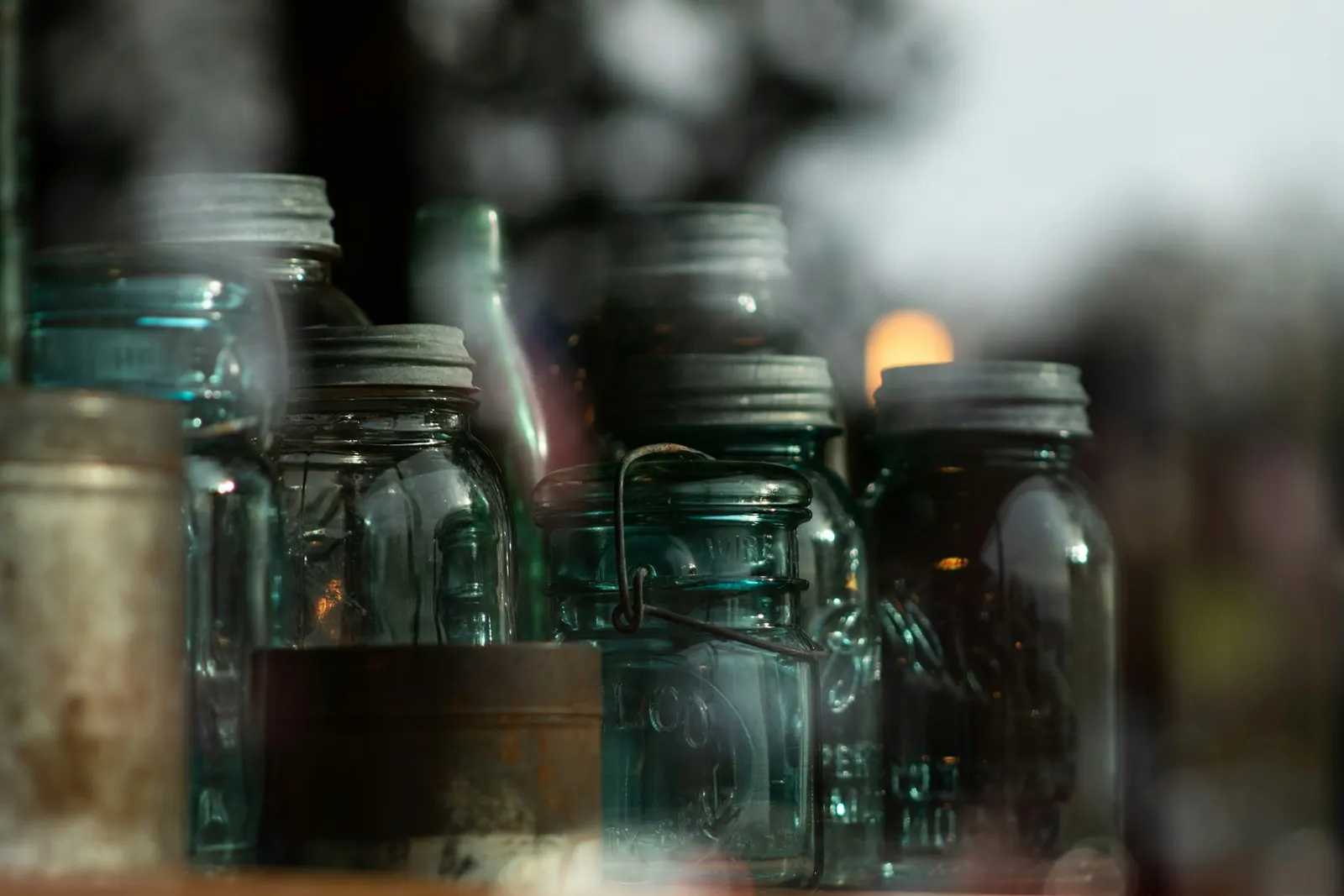
The question usually turns up when a jar from the season before last is found in the pantry. The date has passed, the honey has darkened and set, and the buyer wonders whether it can still be eaten.
Why honey does not spoil
Bacteria and yeasts need water, and honey holds around seventeen to twenty per cent, almost all of it bound to the sugars. The little free water that remains is not enough for anything to grow in the jar, so honey preserves itself.
It is also acidic, with a pH around four, which most micro-organisms dislike as well. The bees add glucose oxidase along the way, an enzyme that produces traces of hydrogen peroxide. All three work in the same direction.
In a closed jar at room temperature, nothing is going to happen to honey.
So what is the date for
Labelling rules require a date on every packaged food, and honey is no exception. It is the date up to which the producer stands behind the qualities the product was bought for, rather than a date after which it becomes unusable.
Honey after that date is still honey. What changes over time are things measured in a laboratory, chiefly two numbers.
| What changes | How | What it depends on |
|---|---|---|
| HMF | Rises | Hydroxymethylfurfural forms as sugars break down and rises with temperature and time. European rules allow up to 40 mg/kg for most honeys. Honey that has been heated raises it in a few months as much as other honey does in years. |
| Diastase | Falls | An enzyme that comes from the bee and does not survive heat. Together with HMF it is used to see whether honey was overheated somewhere along the way. |
| Colour | Darkens | Slowly, over years, and it says nothing about whether the honey is sound. There is a separate note on why honey darkens. |
Moisture and nothing else
Honey is hygroscopic and draws water out of the air, and once the water share passes roughly twenty per cent, the yeasts already present in it get the conditions they need. The honey starts to ferment, foam appears on the surface and the smell turns sour.
There are two ways to get there, and both are easy to avoid.
- A jar that does not close properly, or that stands open in a humid kitchen.
- A wet spoon. A drop of water on top dilutes a thin layer of honey, and fermentation starts exactly there.
More on where to keep the jar, and why the fridge is not a good idea, in the note on storing honey.
Crystallisation has nothing to do with the date
Set honey is most often taken for spoiled honey, and it is a change in the form of the glucose that happens to every real honey. Acacia stays clear for up to a year, while the Vlasina and the forest honey both set in three to six months, and all three are sound at that point. The whole mechanism is described in the note on crystallisation.
How long our honey keeps
Our jars carry a date like any other. In practice a jar that stands closed on a kitchen shelf, away from the stove and the window, stays the same for as long as nobody opens it. Honey from one season that has lasted into the next has no fault arising from its age.
All three varieties and their sizes are on the price list, and the differences between them on the honeys page.