

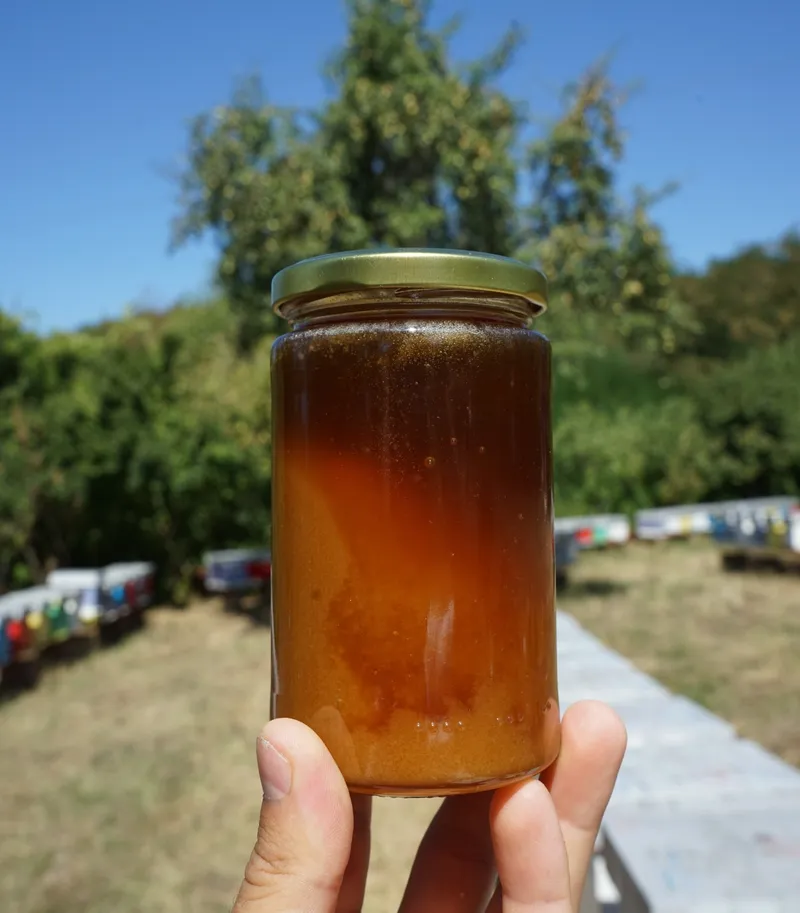
Why honey crystallises, and why that is good news
Crystallisation is a property of real honey rather than spoilage. Why acacia stays clear for a year, while Vlasina and forest honey both set in three to six months.
ReadVlasotince · Svođe · Čemernik
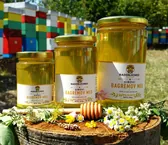
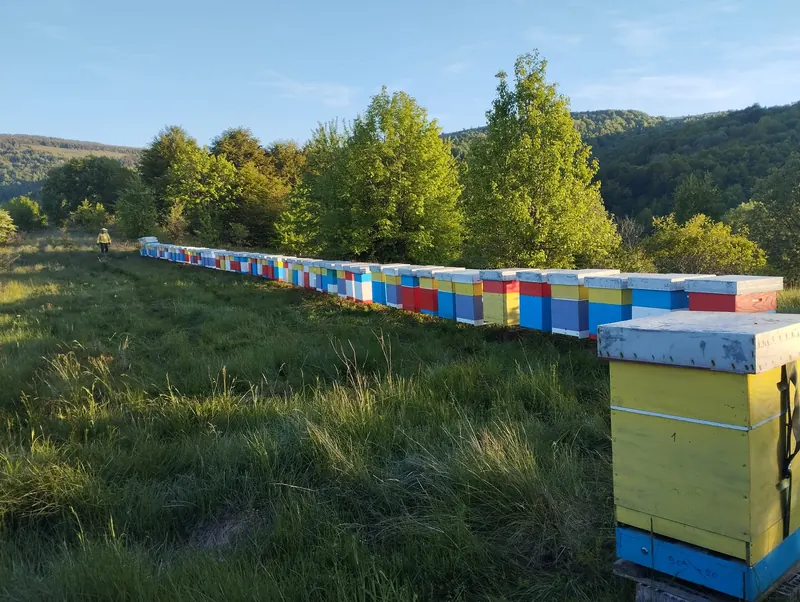
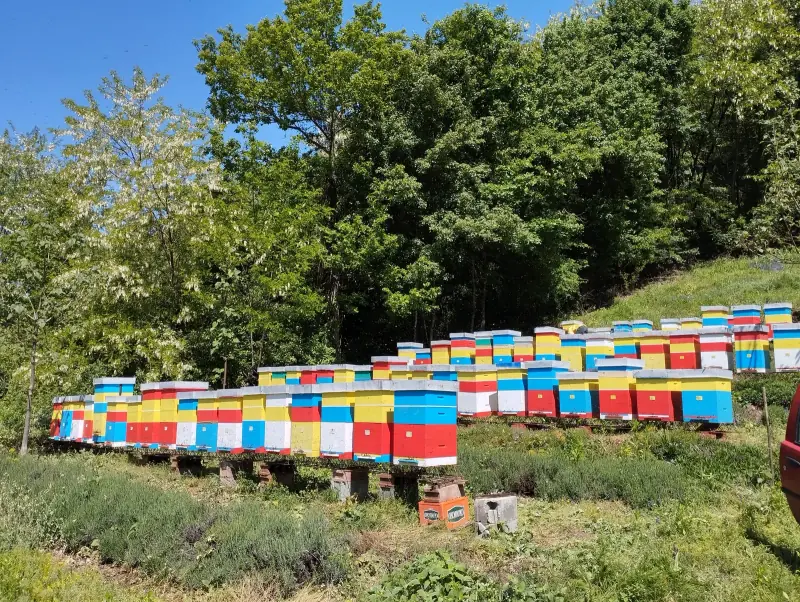
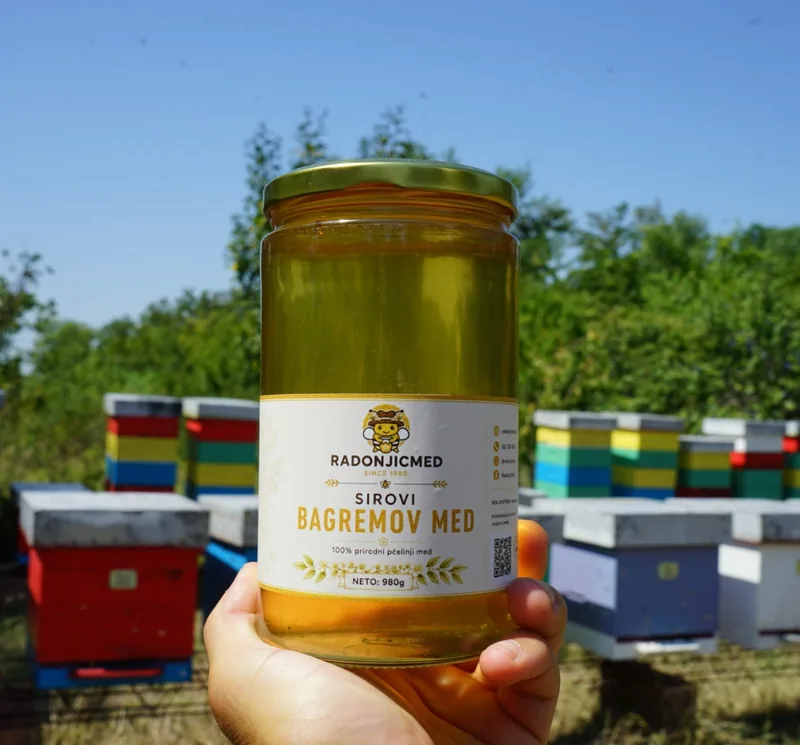
A family apiary in Vlasotince producing acacia, Vlasina and forest honey. Over the season the hives move up to the slopes of Čemernik, and each location is extracted separately. Through extraction and packing the honey is never warmed above 40 °C, so that its natural properties are kept. The honey comes in 300 to 980 g packs, with delivery across Serbia and cash on delivery.
Index
The collection
Each honey comes from its own stop and its own altitude, so they differ in colour, in taste and in when they are extracted. Acacia and Vlasina honey also come in the comb, and alongside the honey there is propolis.
The method
Instead of one extraction at the end of summer, the supers come off as soon as a flow finishes. What ends up in the jar is only what the bees brought in then.
The full method and what we never doA frame is extracted only once the bees have sealed the cells with wax, because the water content is then low enough for the honey to be kept safely.
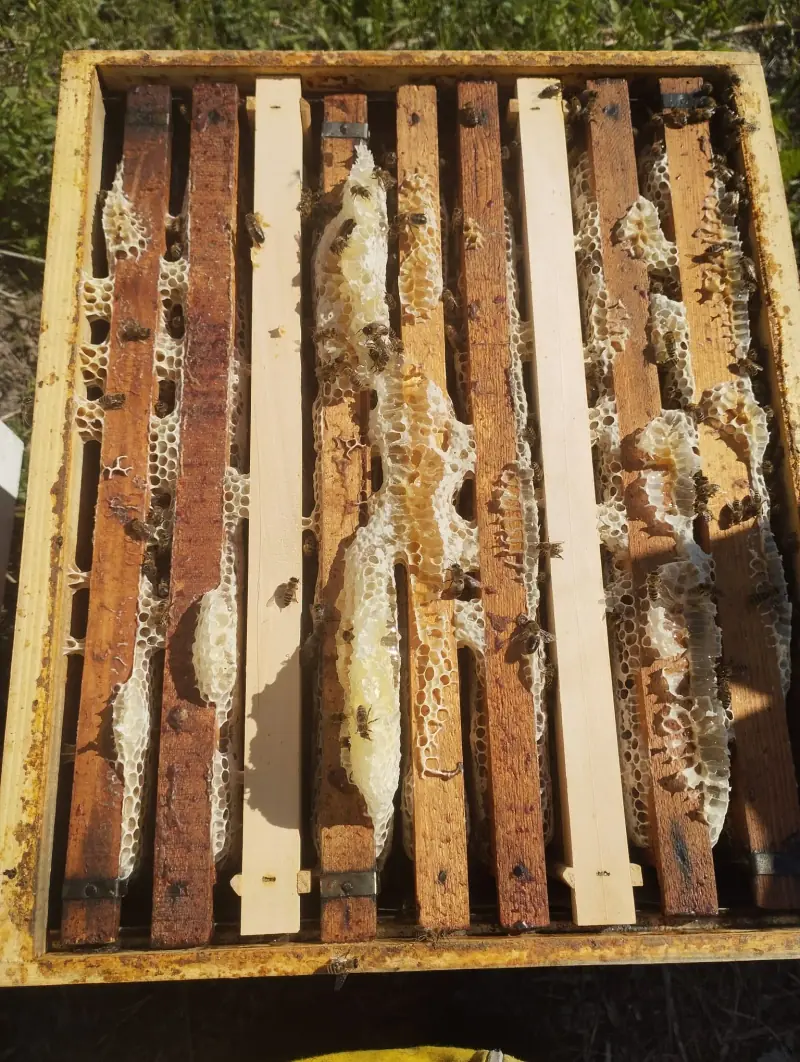
An electric extractor draws the honey evenly out of the cells, the comb stays intact and after the spin it goes back to the bees.
The honey passes through a coarse sieve and then rests for a few days to clear naturally. Pollen passes through the sieve and stays in the honey.
You can taste the altitude.
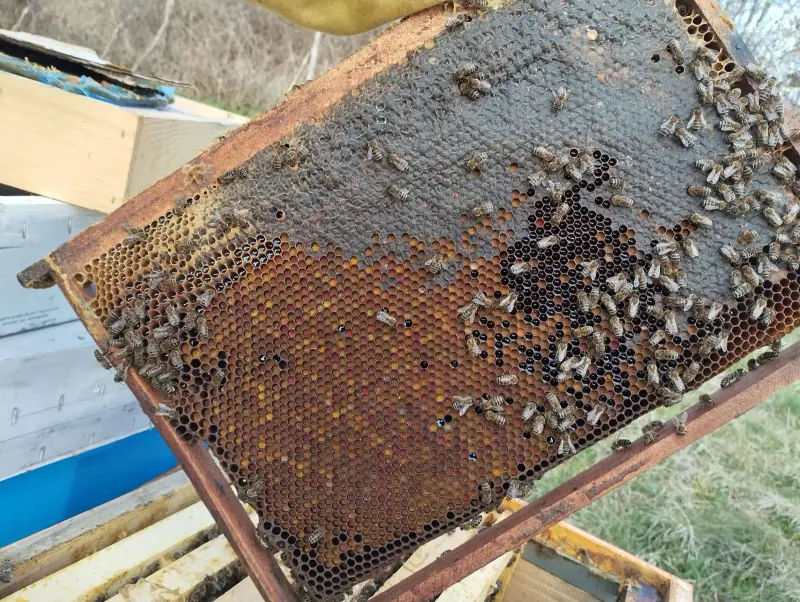
A cell has six walls and holds about two grams of honey.
Season 01
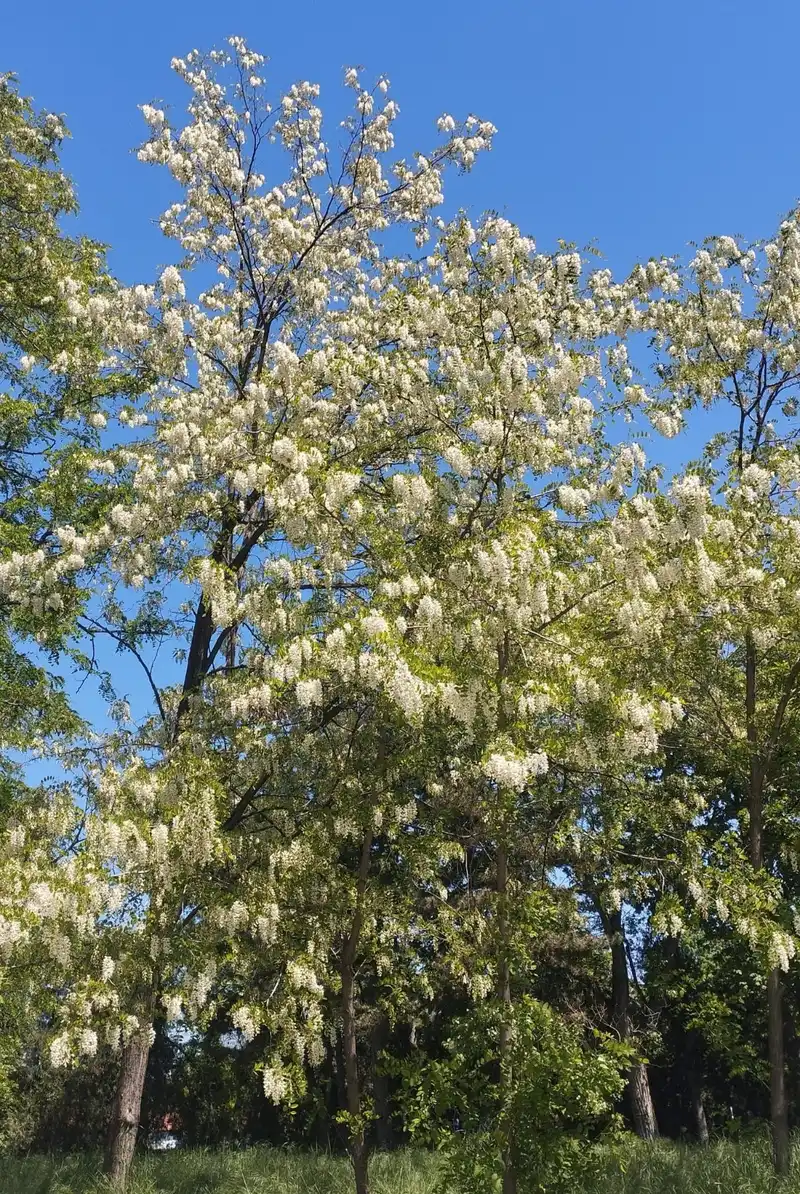
That is how long the acacia flow lasts at one location. When it ends in Vlasotince it is only beginning at Svođe, 230 metres higher up, so the two stops together gather almost three weeks of acacia flow.
Numbers
Small things from the apiary
Behind every cell is one fact from the apiary: the altitude of a stop, a month, a temperature.
0 / 19 open
All of them are open.
Customers
Good honey, and the other bee products with it, matter a great deal to my family. We are from Smederevska Palanka, and that has not stopped us being regular customers of the Radonjić family. I recommend them warmly.
An almost irreplaceable taste of first-rate meadow and acacia honey. At the Radonjić place you get honey of the highest quality, from a wholly natural setting, made with a great deal of love. The best that nature has to offer.
From the apiary
Why honey sets, how to store it and how the three varieties differ.
Crystallisation is a property of real honey rather than spoilage. Why acacia stays clear for a year, while Vlasina and forest honey both set in three to six months.
Read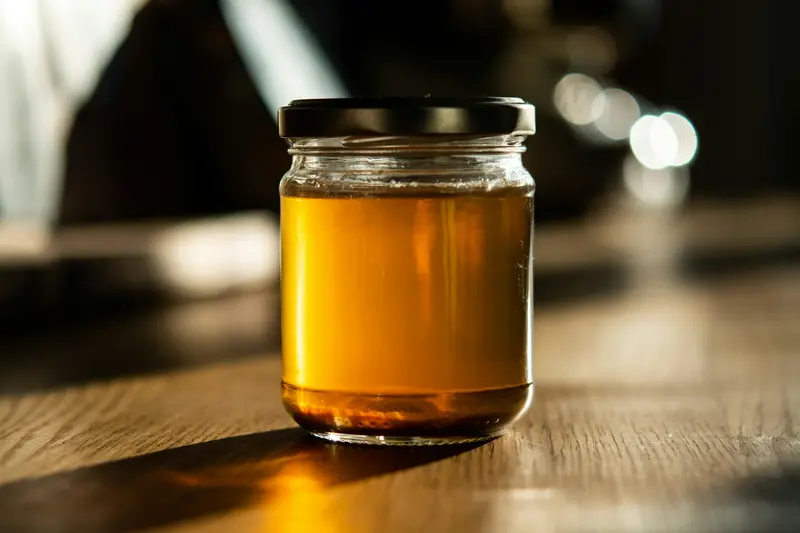
A closed jar, room temperature, out of the sun and always a dry spoon. Why the fridge is not the answer and why honey in a closed jar keeps for years.
Read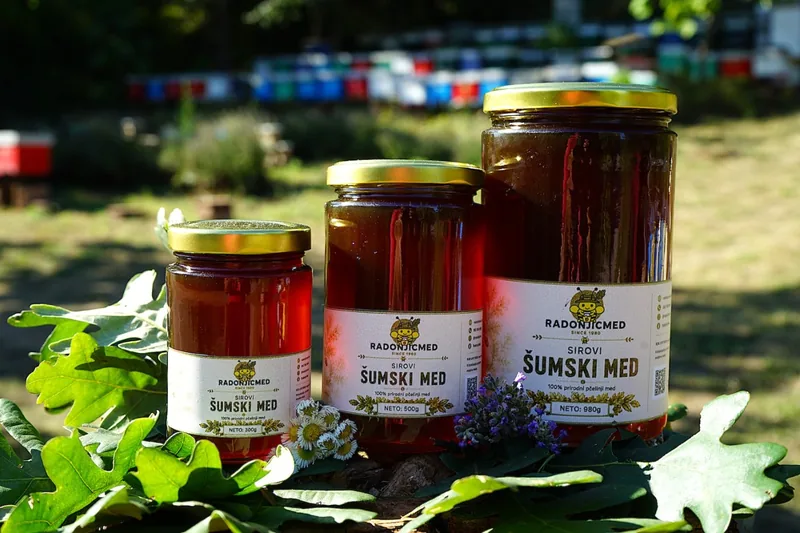
Forest honey is made from honeydew on oak, maple and hornbeam rather than nectar. Why it is darker and less sweet, why it crystallises within three to six months, and why it is not there every year.
Read